
Ecuador Packing List
Below you can find all the goodies you’ll need to bring for this trip, along with our pro-tips from years of traveling around the world!
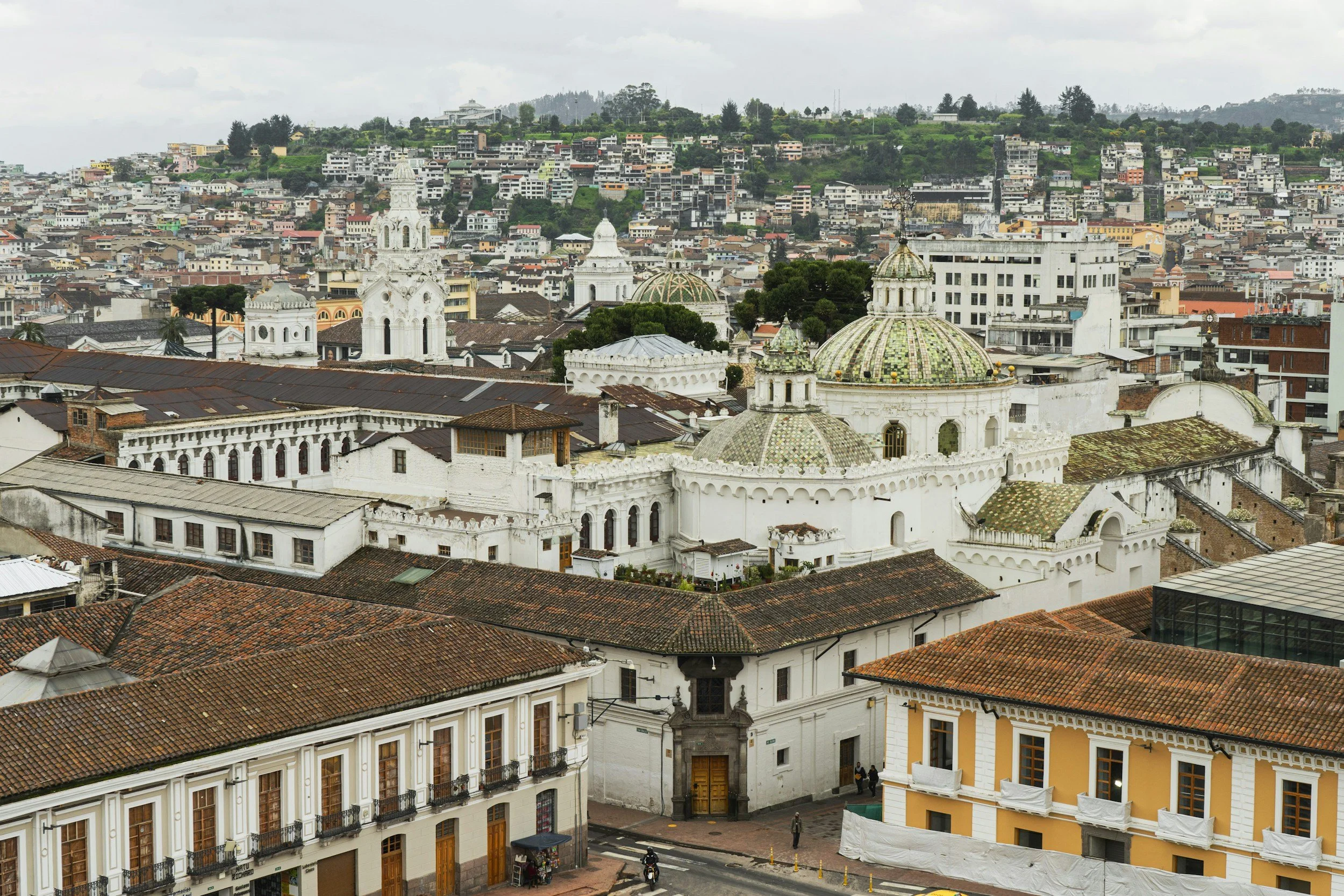
Overview of the weather
December is a beautiful time to be in Ecuador, especially in the Andes. While Ecuador sits on the equator, weather here is shaped more by altitude than by season, which means you’ll experience a range of temperatures as we move between regions.
In Quito and the northern Andes, days are typically mild and sunny, with daytime temperatures ranging from the mid-60s to low-70s°F. Mornings and evenings can be cool, especially at higher elevations, so layers are essential.
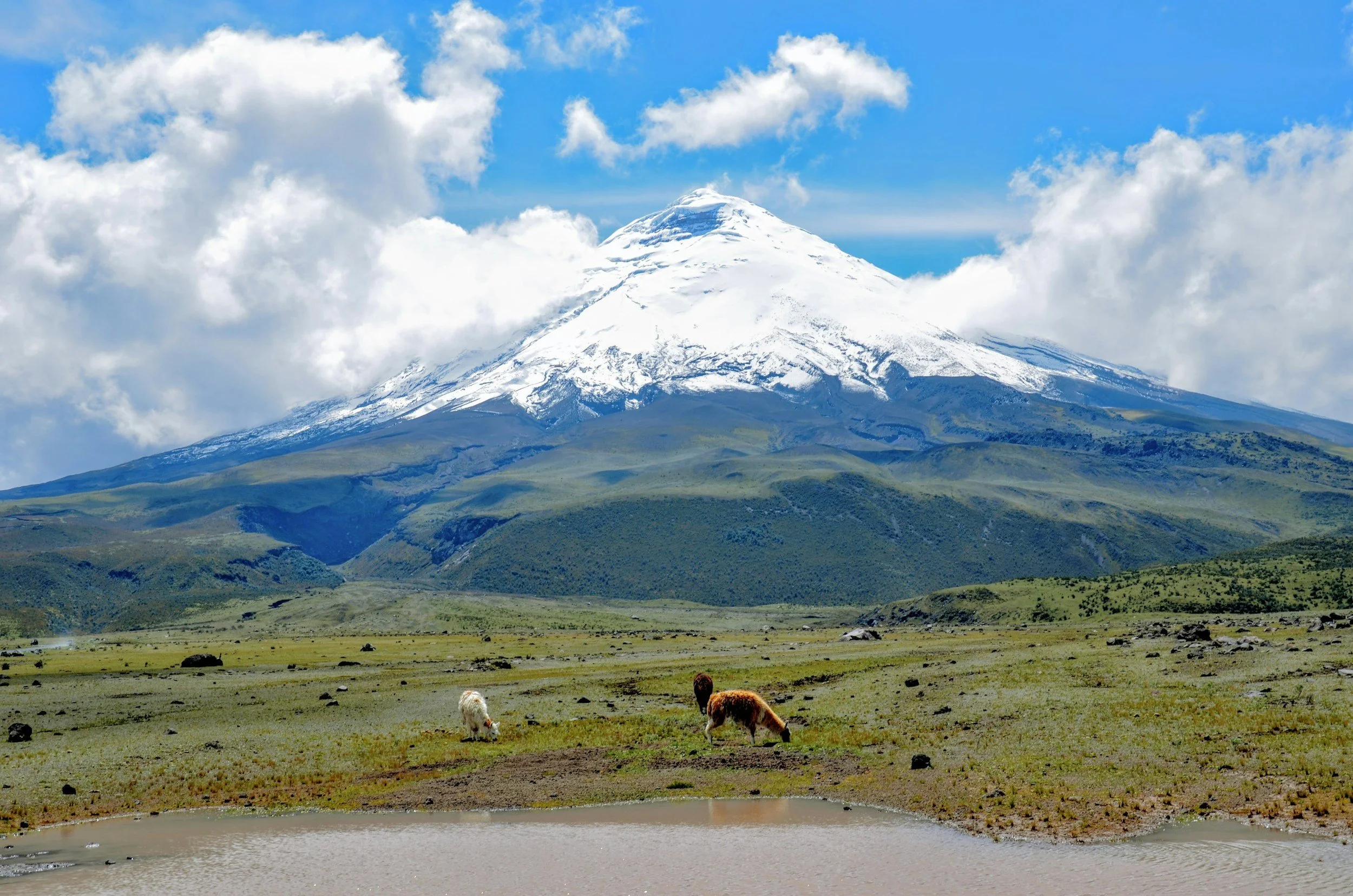
As we travel into the Cotopaxi region, temperatures drop slightly due to higher altitude. Expect cooler mornings and evenings, crisp mountain air, and stunning clear skies. A warm jacket is important here, particularly at night.
December falls within Ecuador’s drier season in the highlands, though brief rain showers are always possible in the mountains. These are usually short-lived and followed by sunshine. A lightweight rain jacket is recommended just in case.
Overall, think:
Cool mornings
Comfortable, sunny afternoons
Chilly evenings
Layered, mountain weather rather than tropical heat
This varied climate is part of what makes the Andes so special — and why packing thoughtfully (with layers) makes all the difference.
How to Pack
We recommend traveling with a large backpack or lightweight rolling suitcase. Keep in mind that there may be moments when you’ll walk short distances on uneven terrain, cobblestones, or up a few stairs with your luggage.
Be sure to also bring a small day pack for daily excursions, ceremonies, and time spent exploring towns and nature.
December in Ecuador falls during the Andean dry season, but weather can vary significantly with altitude. You’ll experience everything from warm, sunny afternoons to cool mornings and evenings—especially in Quito and the Cotopaxi region.
Layering is key. No matter the day, it’s always wise to carry a light sweater or jacket, along with rain protection, as mountain weather can change quickly.
You can find a detailed list of what to bring below.
Base Layers
Undergarments (8): Our general rule of thumb is to pack one more than the number of days on your trip
Socks (8): Non-cotton (synthetic or wool) suitable for hiking and sleeping
Long trousers, pants or leggings(3-4): Suitable options for hiking and for yoga
Long sleeve shirts (5-6): Good for the cool evenings and mornings, sleeping and enjoying the crisp mountain air
Pajamas
Mid Layer
Shorts (1-2): Could be used for hiking or walking around the city
Cotton shirts/t-shirts, or tank-tops (4-5): We like to wear a tank top or short-sleeve underneath a long-sleeve button up sun shirt for layering.
Long sleeve button up sun shirt: We like button up shirts because they offer a lot of flexibility to wear as a warm-layer or sun protection.
Outer Layer
Lightweight jacket or sweater/fleece top (1)
Warm Jacket (1): One that is relatively easy to pack (i.e. not a big puffer jacket)
Waterproof wind/rain jacket & pants (1): We love having a waterproof rain jacket on all trips! You can use this for wind and rain/water protection as well as for an extra layer of warmth.
Accessories
Swimsuit & swimsuit coverup
Water shoes and trekking sandals
Comfortable walking/hiking shoes or boots: You will be doing some intermediate hiking and city tours throughout the trip. Covered shoes can also help with warmth at night if needed.
Ball cap or wide brimmed hat for sun: We provide a Root ball cap, so you don’t necessarily need to bring one.
Sunglasses w/ strap
Warm hat for cooler nights
Buff/Bandana: A buff is a very versatile accessory that helps protect you from the sun, wind, and many other elements. It can also be used as an extra warm layer for your head & ears, a neck gaiter, a pony tail holder or headband, and a face covering for very windy days. Click here to browse their website!
Gear
Small day pack for excursions: Perhaps include zip-lock-type plastic bags to cover optics or other gear
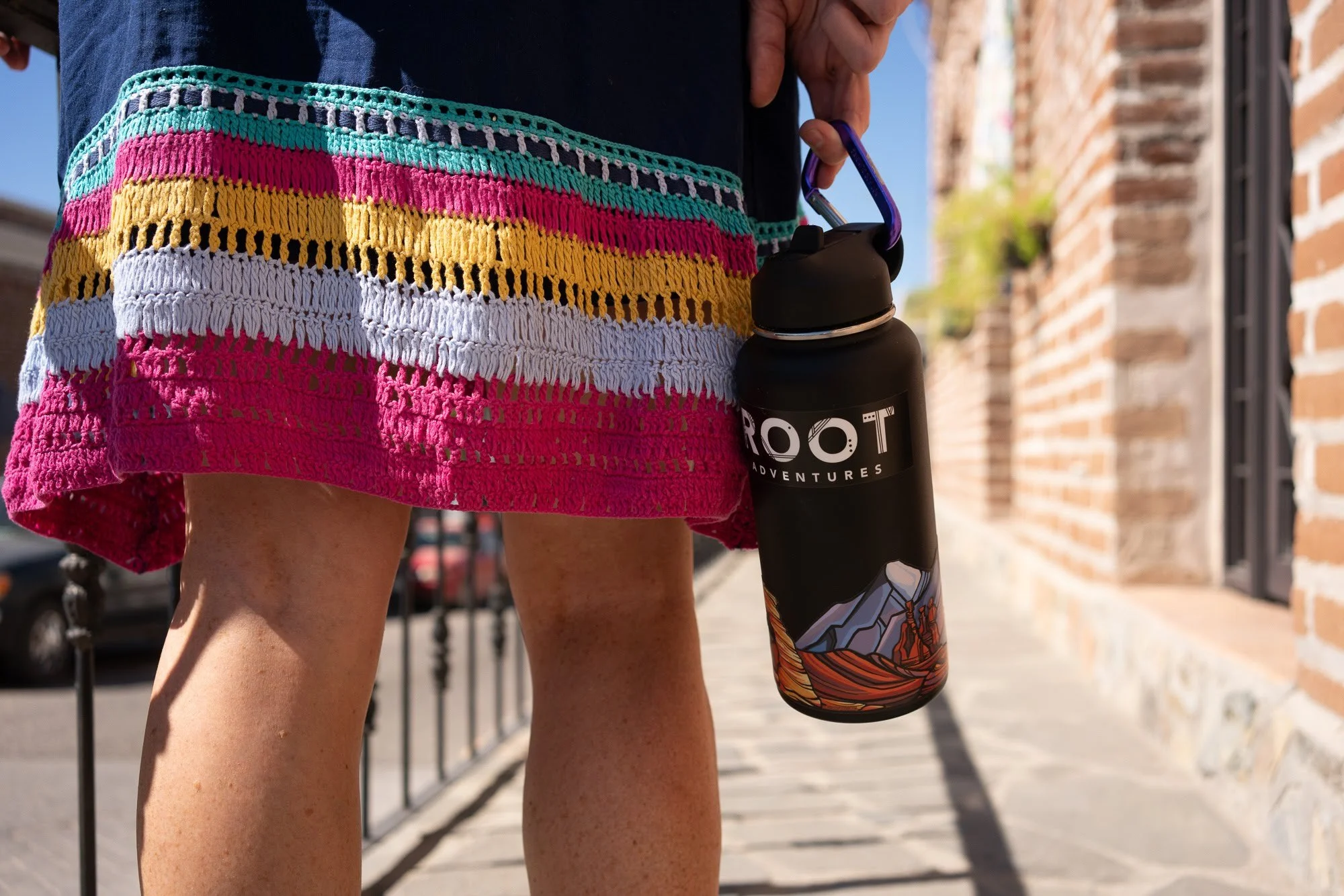
Reusable water bottle
Headlamp/small flashlight with extra batteries
A Note About Traveling with Your Gear
We highly recommend carrying on your luggage in case of scenarios of lost or delayed luggage.
Pro-tip: Wear your gear while traveling! Wearing your gear is a great way to save space, especially items like bulky shoes.
Personal Items
ID/Passport
Copy of flight itinerary
Copy of travel insurance info
Some cash in smaller bills for any incidentals
Credit cards
Sun protection: sunglasses, sunscreen, lip balm
Insect repellent
Anti-itch cream for bites
Toiletries: Bring your preferred toiletries
Prescription medications (kept in original containers)
Sealable, plastic bags: For stowing liquid containers and wet clothes

Optional Items
Camera (fully charged) and optional extra batteries
Charging bank/block
Notebook and pen will be provided by Root
Paperback or digital book for down times. You can always download a book onto your phone to save space.
Spanish/English Dictionary - you can download SpanishDict to your phone