
El Camino Travel Guide
Everything you need to know about walking, riding & biking the original Camino with Root Adventures.
You’re about to step into a true pilgrim’s journey: 321 km across northern Spain, moving on foot, on horseback, and by e-bike from Oviedo to Santiago de Compostela.
This guide will help you feel prepared—logistically, physically, and energetically—so you can relax into the experience itself.
The Weather
How should I dress?
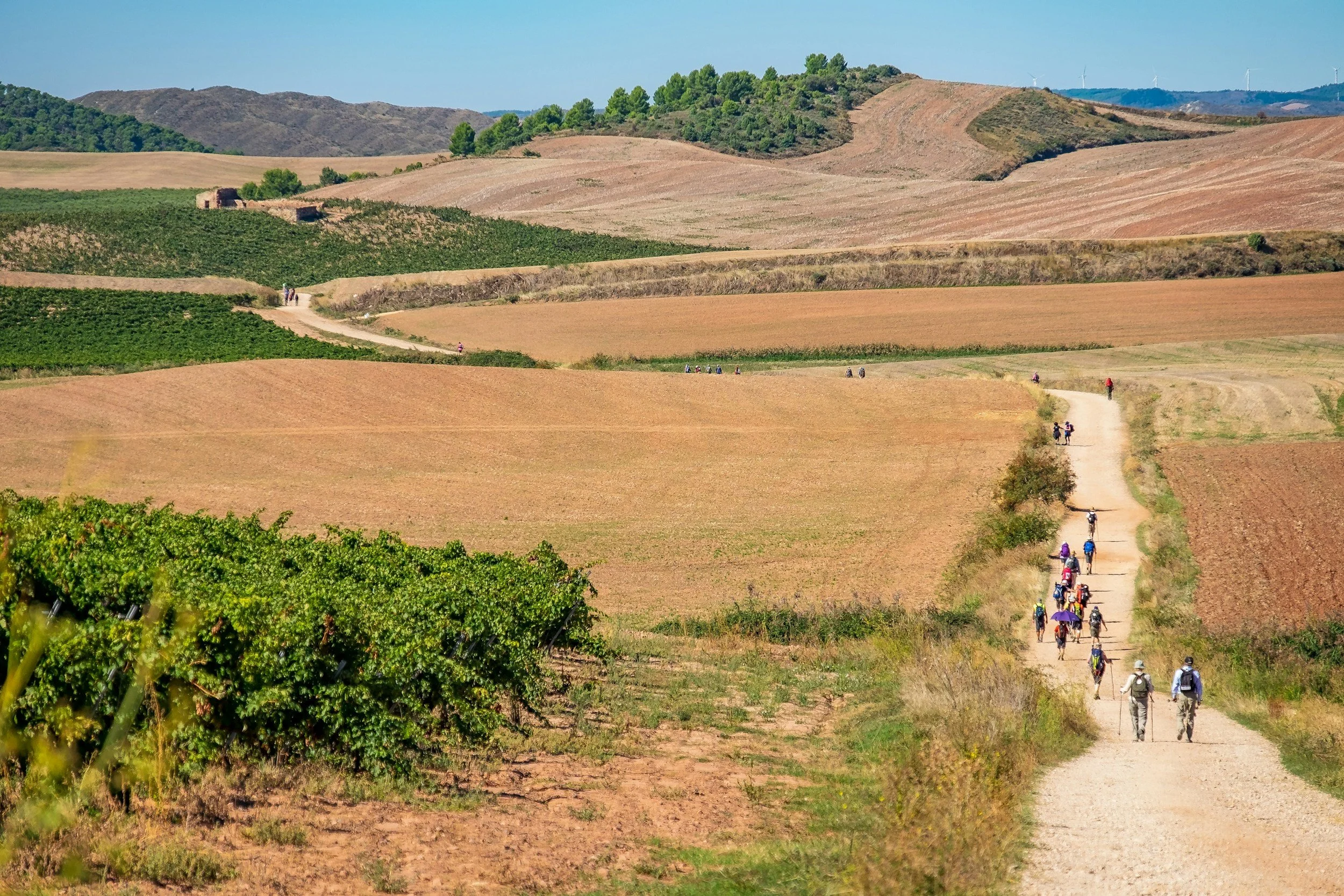
You’ll be traveling in late summer, which is generally warm and pleasant, with some important nuances:
Oviedo / Asturias (start of the route)
Average August highs: around 23–24°C / 73–75°F
Average lows: around 14–15°C / 57–59°F
Santiago de Compostela / Galicia (end of the route)
Average August highs: around 24–25°C / 75–77°F
Average lows: around 13–14°C / 56–57°F
You can expect:
Warm, sunny days with cooler mornings and evenings
Occasional rain or mist, especially in Galicia (all that green comes from somewhere!)
Humidity that can make warm days feel hotter
A quick note on heat & climate
In recent summers, Spain (including the north) has occasionally experienced short heatwaves with much higher-than-normal temperatures. So a lightweight sun hat, breathable clothing, electrolytes, and sunscreen are non-negotiables. You’ll find a full packing list below.
The gear
What do I need to bring?
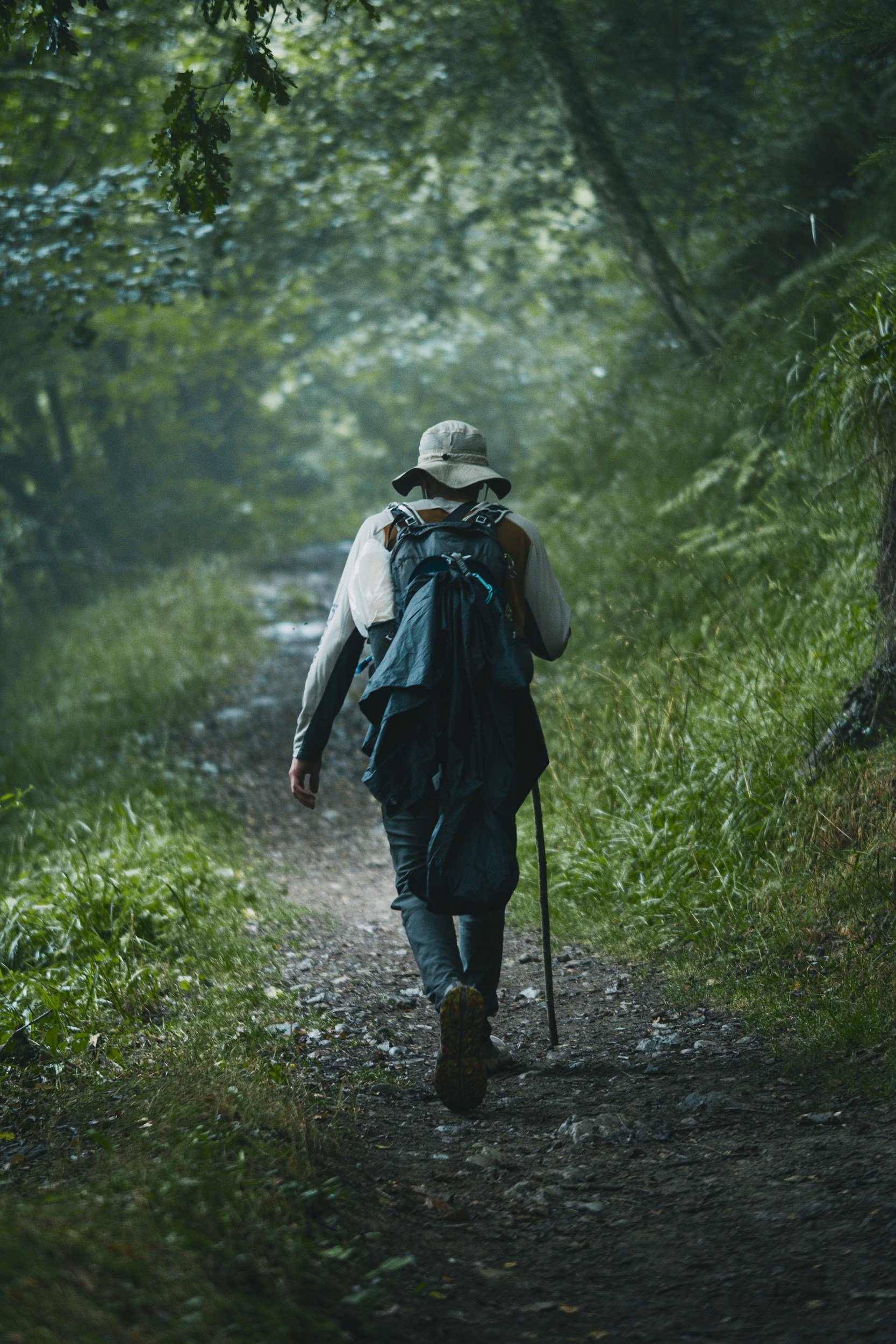
This is a multi-modal pilgrimage—on foot, on horseback, and by e-bike—so packing thoughtfully is key. The good news: you’ll only carry a daypack during the journey, and your main luggage is transported for you each day.
Focus on lightweight, technical, quick-drying clothing that can handle movement, sweat, and changing weather. Versatility matters more than volume.
The Essentials (At a Glance)
You’ll want:
Comfortable, well-broken-in trekking shoes
Technical hiking pants and moisture-wicking tops
A small daypack (20–30 L) for daily essentials
Weather protection (lightweight rain jacket + warm layer)
Sun protection (hat, sunglasses, sunscreen)
Hydration system (water bottle or hydration bladder)
A few activity-specific items for cycling and horseback riding (padded bike shorts, riding pants)
Foot care, chafe prevention, and hydration are especially important given the mix of walking, riding, and biking days.
Materials Matter
We strongly recommend synthetic technical fabrics for all active days—they’re lightweight, breathable, and dry quickly. Cotton is best reserved for evenings, town days, and sleeping.
Luggage
Bring a soft-sided travel bag or duffel rather than a hard suitcase, as it’s easier to transport between stages.
A detailed, item-by-item Gear & Packing List is provided below so you can dial everything in with confidence.
Preparing For Your Trek
How difficult is this really going to be?
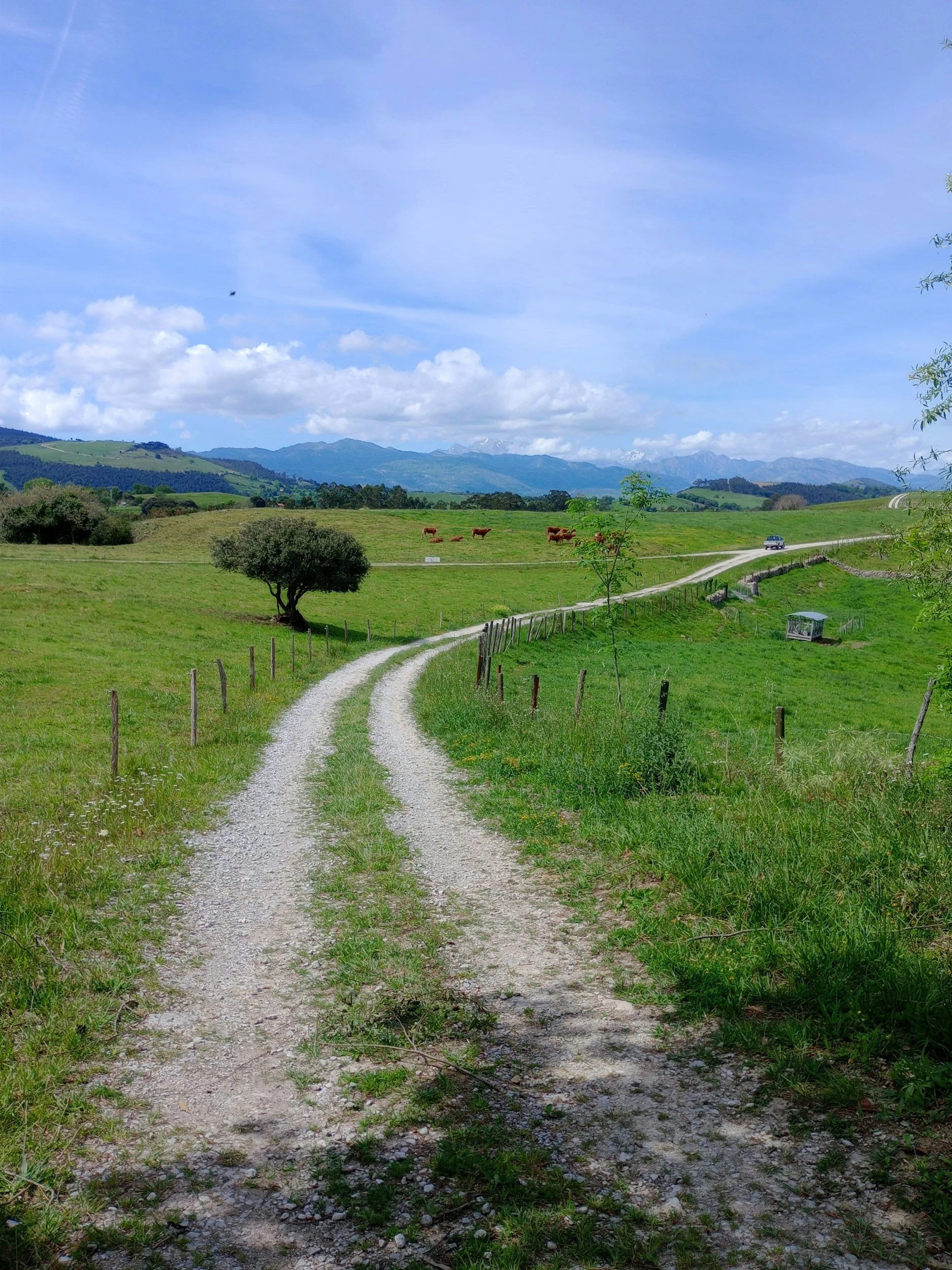
The Camino Primitivo is widely considered the most physically demanding of the main Camino routes due to its steep ascents and descents, even though infrastructure is good and you’re not carrying a big pack.
On this itinerary you’ll:
Hike three days in a row (20–26 km per day)
Ride multiple days on horseback over mountain terrain
Cycle multi-hour stages on e-bikes (40–55 km per day)
We’d classify this as moderate-to-challenging: great for people who are:
Already reasonably active
Excited about full, movement-rich days
Comfortable being outside in changing weather conditions
Suggested physical prep
Ideally starting 8–12 weeks before departure:
Walking 3–4 times per week (building up to 8–12 km / 5–7 miles in a day)
Including some hills or stairs
Light strength work (legs, core, glutes) 2–3x/week
Optional: a few short rides on a bicycle or stationary bike
Super Optional: a couple of introductory horseback sessions if you’ve never ridden
You don’t need to be an ultra-athlete. You do want to show up with a body that’s used to moving. And we’ll provide a full training program about 3 months out!
Do As The Locals Do
A crash course in local culture
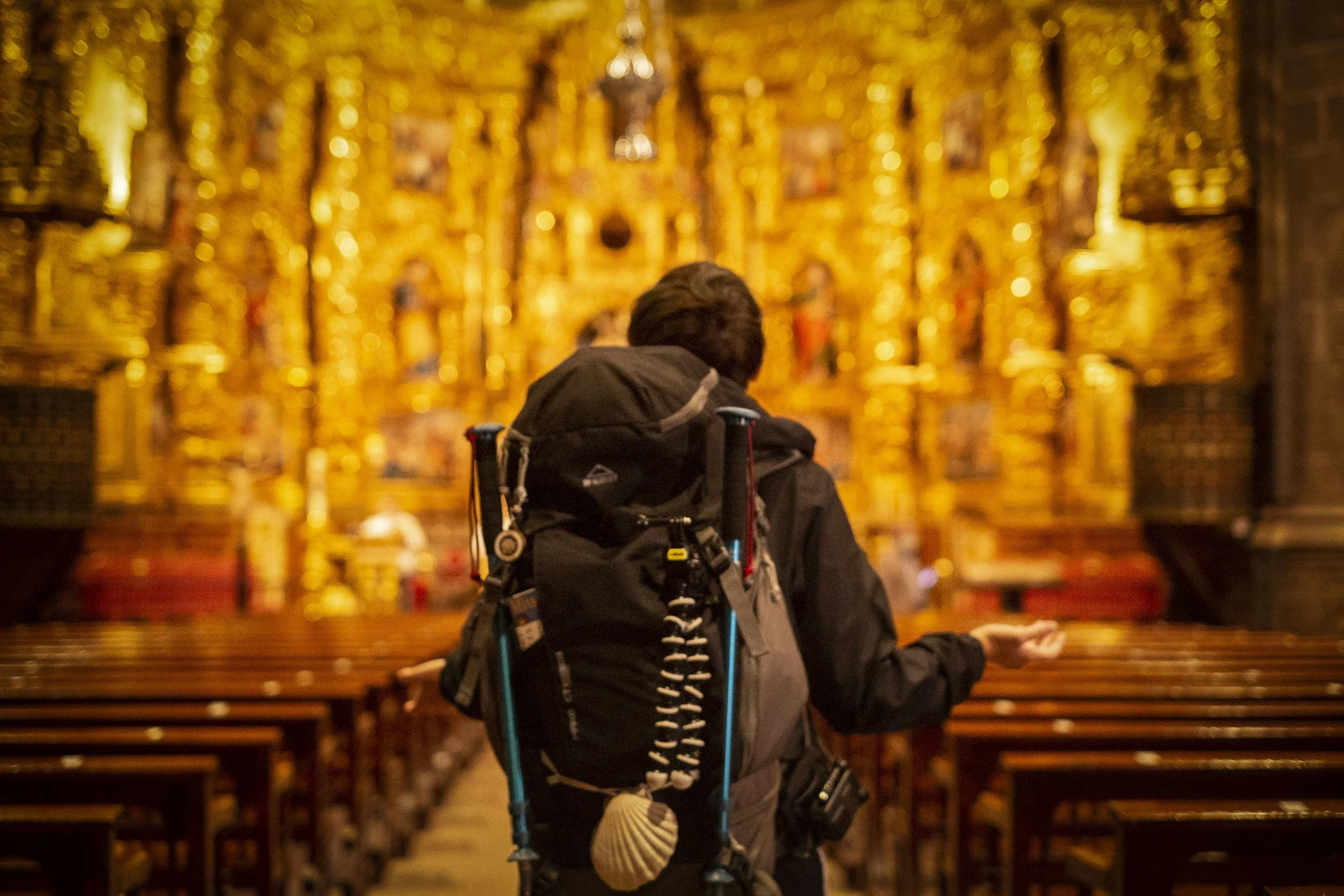
It’s important at Root that when we travel we travel with an open mind and are respectful to the local ways, traditions, and customs. Keeping in mind that we are ambassadors of the US when we travel to foreign countries, it can be helpful to be prepared with some basic knowledge!
Language
Primary language: Spanish (Castellano)
In Galicia you’ll also see/hear Galician (Galego)
English is common in more touristic areas, less so in small villages—your effort in Spanish will be appreciated.
A few useful phrases:
Hola – Hello
Buenos días / Buenas tardes / Buenas noches – Good morning / afternoon / night
Por favor – Please
Gracias – Thank you
¿Cuánto cuesta? – How much is it?
La cuenta, por favor – The bill, please
Buen Camino – The classic pilgrim greeting!
Currency & Money
Currency: Euro (EUR)
ATMs are common in cities and larger towns; less so in tiny villages, so it’s good to keep some cash on hand.
Many places accept cards, but small cafés and rural bars may be cash only.
Tipping: As a reminder we handle most tips! The things that we can’t be present for (i.e. leaving a tip in your room for hotel staff or any personal transfers) are the only tips you’re responsible for!
Mealtimes & Rhythm
Spain runs on a later schedule than many travelers are used to:
Lunch: often 1:30–3:30 pm
Dinner: restaurants may not open until 8 pm, with locals eating closer to 9–10 pm
On the Camino, pilgrim menus and rural restaurants sometimes serve earlier dinners to accommodate walkers, but expect life to run a bit later overall.
Water & Food Safety
Tap water in Spain is generally safe to drink, including in Santiago.
Along the Camino, many fountains are clearly marked “agua potable” (drinkable) or “no potable” (not drinkable)—always check the sign.
Food standards are high; fresh local produce, cheeses, seafood, and meats are common. If you have dietary restrictions, we can usually accommodate them with advance notice.
Electricity & Adapters
Voltage: 230 V / 50 Hz
Plug types: Type C & Type F (two round pins)
Travelers from North America will need a plug adapter, and possibly a voltage converter for certain devices.
Etiquette on the Camino
Greet fellow pilgrims with “Buen Camino!”
Respect quiet in churches and spiritual sites; modest dress is appreciated inside.
Pack out trash and leave the route better than you found it.
Be kind to locals—the Camino passes through real communities, not a theme park.
Photography
Always be considerate of anyone’s desire not to be photographed. If you take photos of people, always ask them for permission first. The only exception is when photographing a public scene with a lot of people in it, aiming at no one in particular.
Safety
Spain is widely considered one of the safest countries in Europe, and the Camino de Santiago is especially known for its culture of care, respect, and mutual support among pilgrims. Violent crime is rare, and while standard travel awareness is always recommended—particularly in larger cities—most travelers feel very comfortable on the Camino, including those walking solo.
The Camino Primitivo is quieter and more rural than other routes, but it is well-marked and supported, and you’ll be traveling with an experienced guide and group throughout the journey.
As with any adventure, listening to your body, staying hydrated, and respecting weather and terrain are the most important safety considerations. We strongly recommend travel insurance and encourage open communication with your guide if anything arises along the way.
The Camino Primitivo isn’t just safe—it’s deeply held.
It’s a route shaped by centuries of hospitality, shared effort, and quiet respect. When you walk it with intention, preparation, and community, safety becomes part of the rhythm rather than something to worry about.
If you ever have questions or concerns—before or during the trip—we’re here for you.
Accomodations
Where am i sleeping?
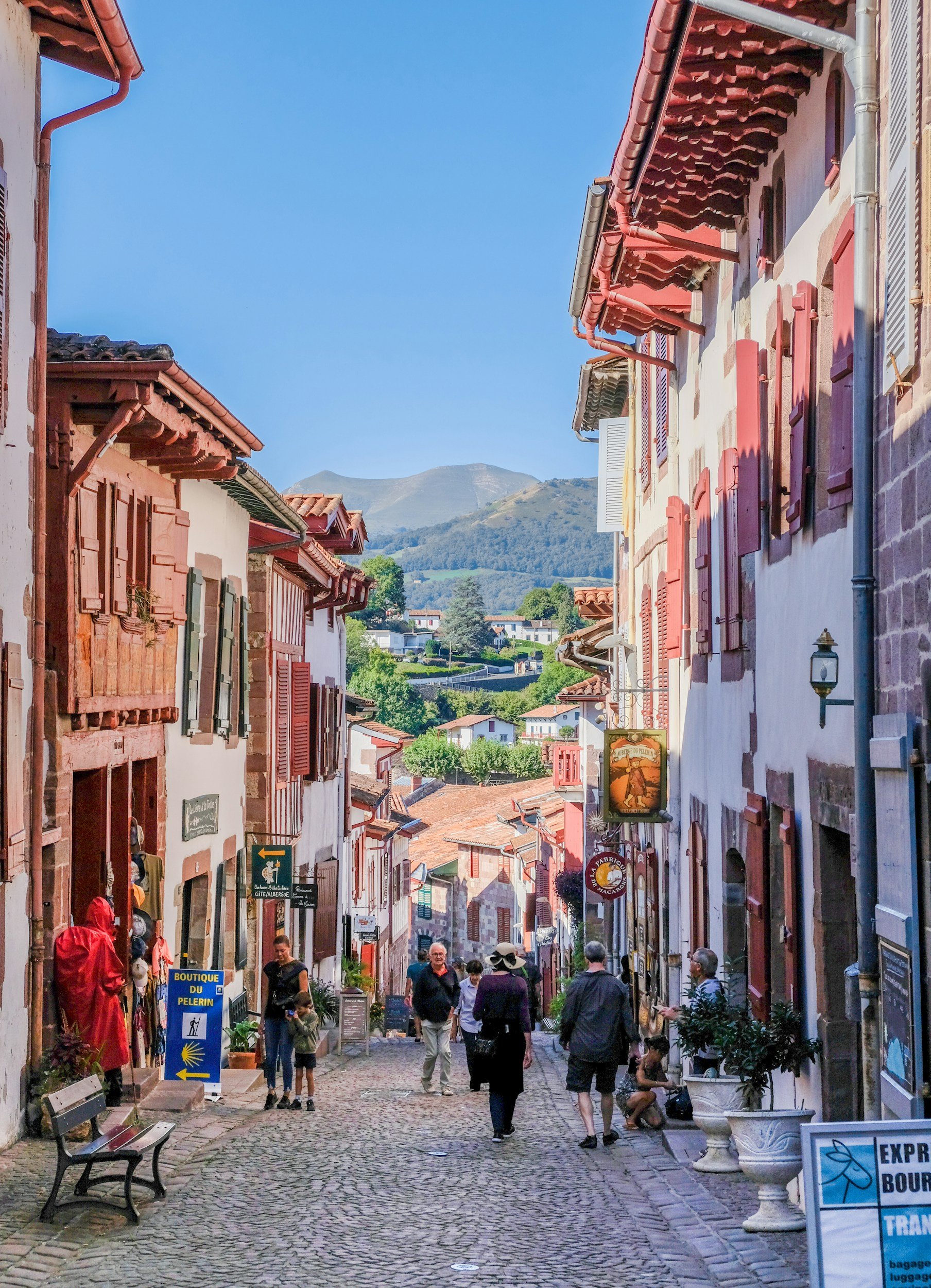
On this trip, you’ll stay in a mix of:
Charming rural inns
Village houses and small guesthouses
Occasionally historic palaces or more character-filled lodgings
All are pre-selected for comfort, authenticity, and location along the Camino. Expect:
Clean, comfortable rooms (double occupancy unless otherwise arranged)
Hot showers and normal bathroom facilities
Local hospitality and regional character (this is not a chain hotel experience—and that’s the point)
Mindfulness
What if I’ve never meditated?
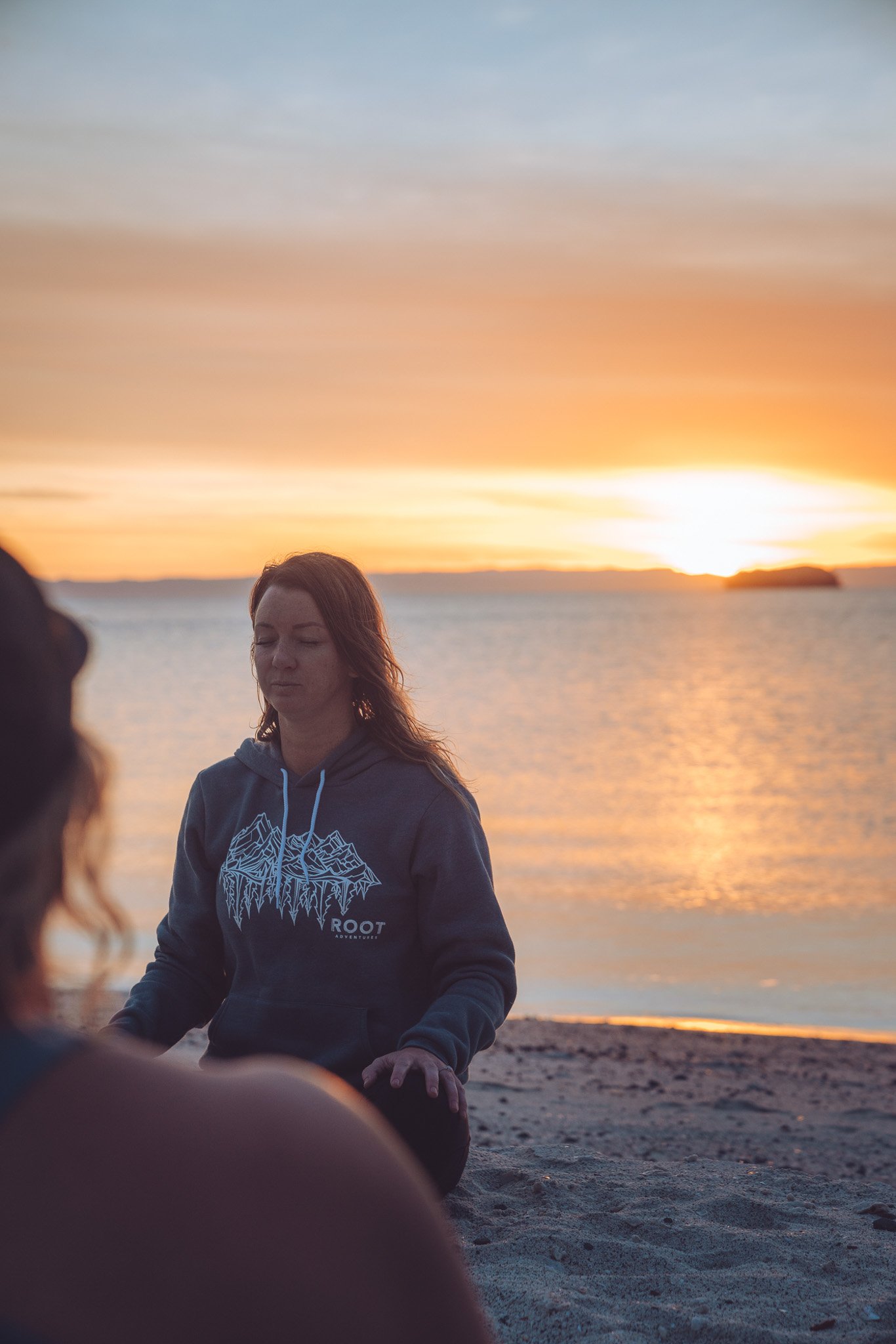
Have no fear! No prior meditation or mindfulness experience needed.
Nature is the ultimate teacher. Just getting out into the great outdoors has been proven to be incredibly beneficial for your mental and physical health.
Your Root Tour Leader will provide you with simple and practical ways to keep your connection with nature, yourself, and your fellow travelers at the forefront of your experience.
But don’t worry, this won’t be a serious or quiet trip. At Root we see mindfulness as a way to participate in the ALIVENESS of life.
There will be moments you’ll be encouraged to observe silence, listen to nature, reflect on your internal experience or even possibly journal and share. And there will be many moments of raucous laughter, joyous storytelling, and playfulness. Our trips have a bit of everything!
Final Tips
Anything else I need to know?
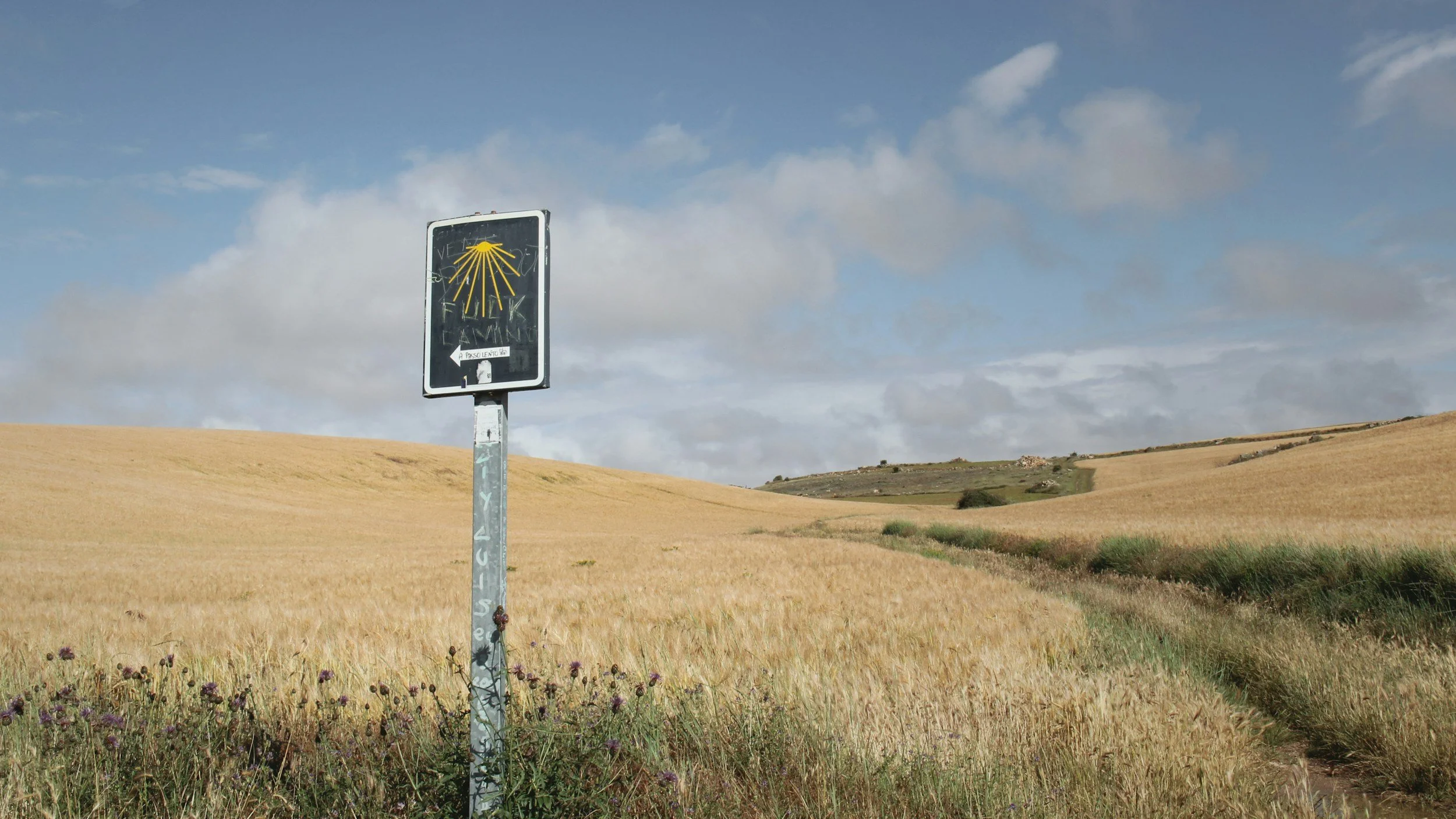
A few parting pieces of wisdom to set you up well:
Pack lighter than you think. If you’re on the fence, don’t bring it.
Break in your shoes well before the trip—no brand-new boots at the airport.
Practice walking with your daypack loaded so your body knows the feeling.
Have a simple plan for jet lag so you’re not starting the Camino on empty.
Consider travel insurance that covers medical care, trip interruption, and weather-related changes.
Remember: no one gets a gold star for suffering. Speak up if you need to adjust, rest, or get support—that’s part of the pilgrimage, too.