
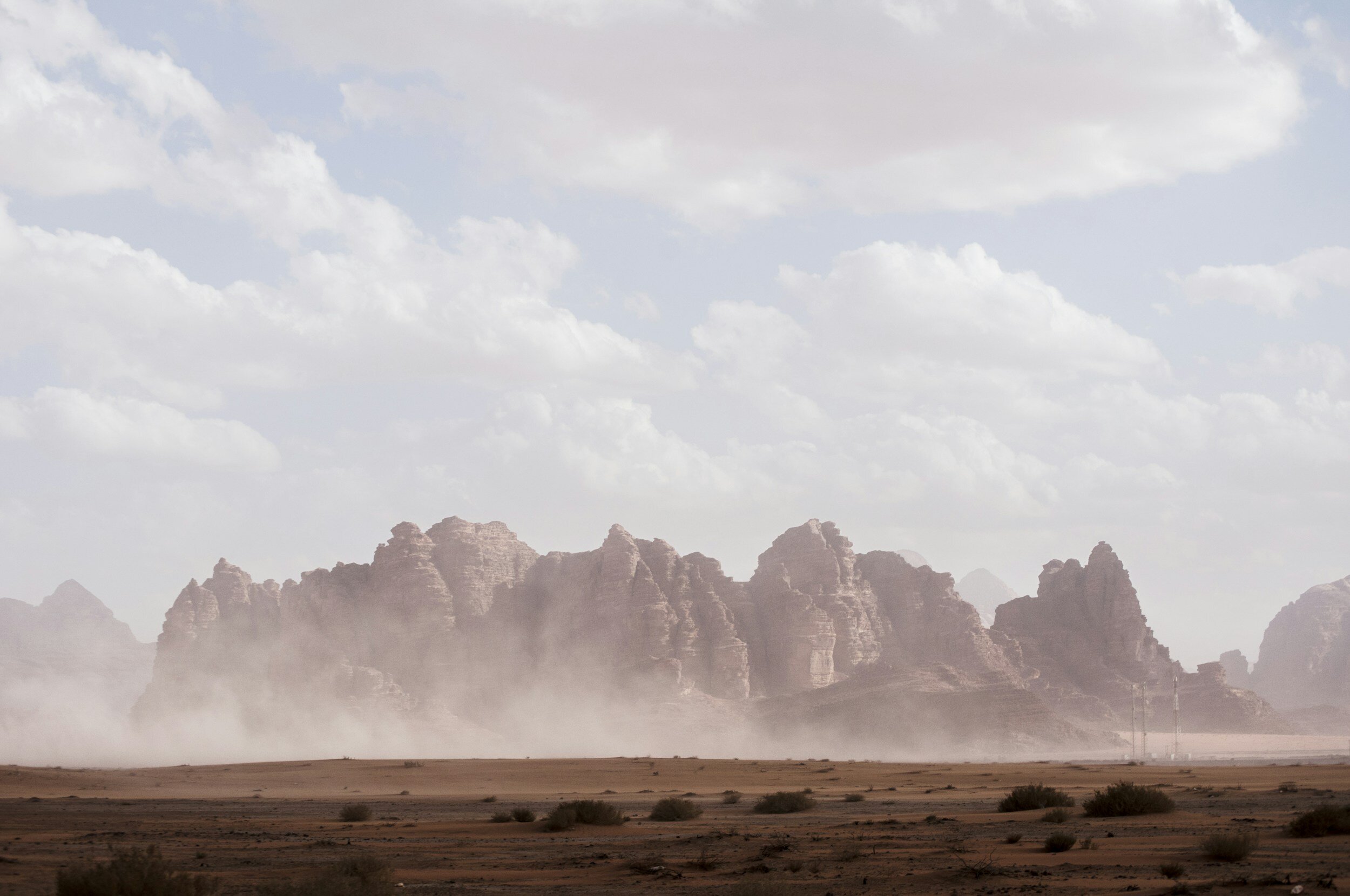
Ecuador Travel Guide
Welcome to your Ecuador Travel Guide!
This page is here to help you prepare thoughtfully for your journey through the Andes.
It is designed to support both your practical planning and your inner readiness, from arrival logistics to cultural context and health considerations.
The Weather
How should I dress?
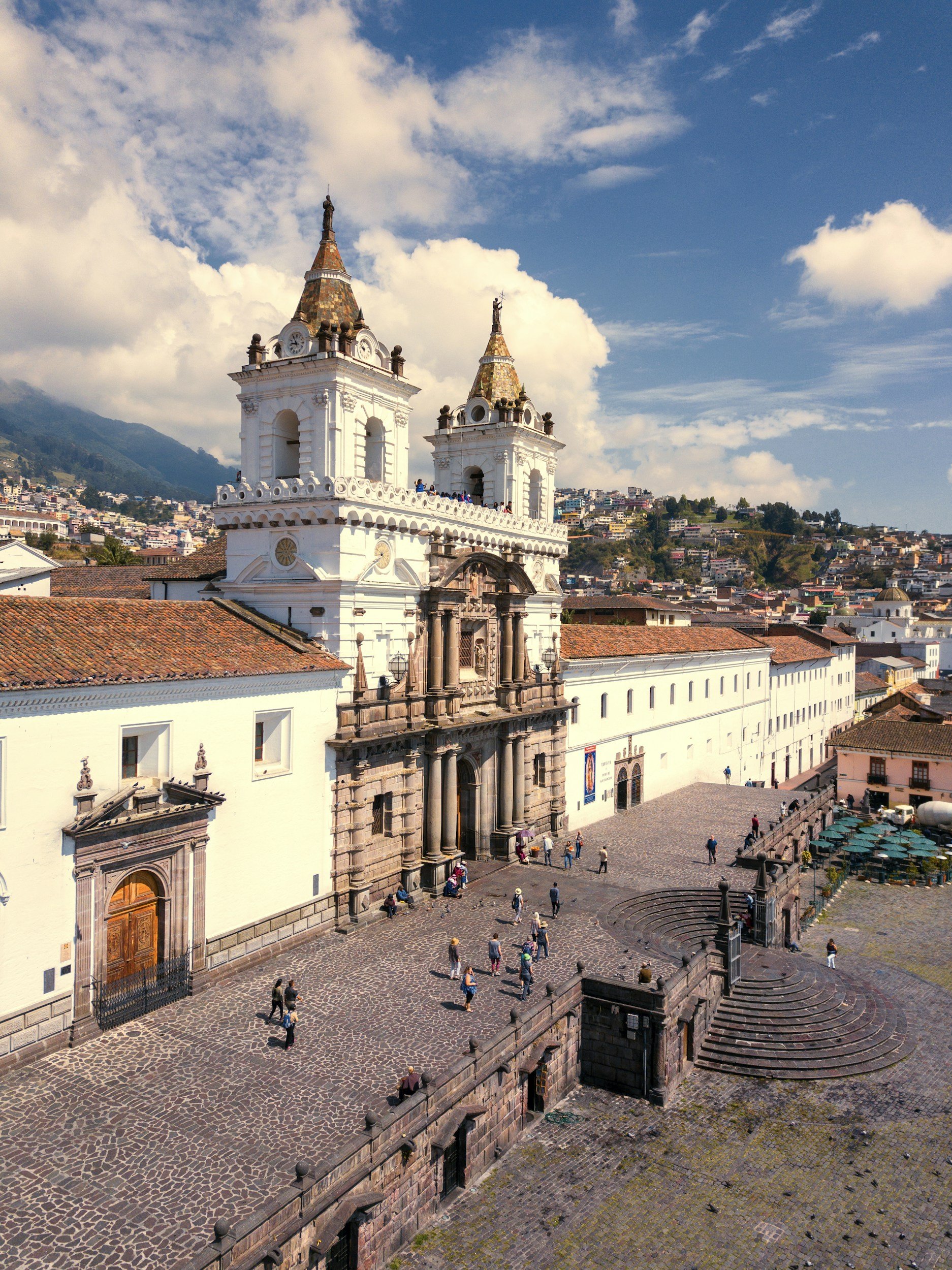
December is a beautiful time to visit the Ecuadorian Andes. While Ecuador sits on the equator, temperatures are shaped primarily by altitude rather than season.
In Quito at approximately 9,350 feet above sea level, average December temperatures typically range from:
Daytime highs: 65 to 72°F
Nighttime lows: 45 to 50°F
Mornings and evenings feel crisp, while afternoons are often sunny and comfortably mild.
In the Cotopaxi region near Cotopaxi Volcano, elevations are higher, and temperatures are slightly cooler. Expect:
Daytime highs: 55 to 65°F
Nighttime lows: 35 to 45°F
Evenings here can feel quite chilly, especially if skies are clear. A warm jacket is essential for comfort at night.
December is generally part of the drier season in the highlands, though brief afternoon showers are possible. Rain, when it comes, is usually light and short lived.
In summary, plan for:
Cool mornings
Mild sunny afternoons
Cold evenings at higher elevations
Layered mountain weather rather than tropical heat
Packing layers will allow you to stay comfortable across changing elevations and times of day.
The gear
What do I need to bring?
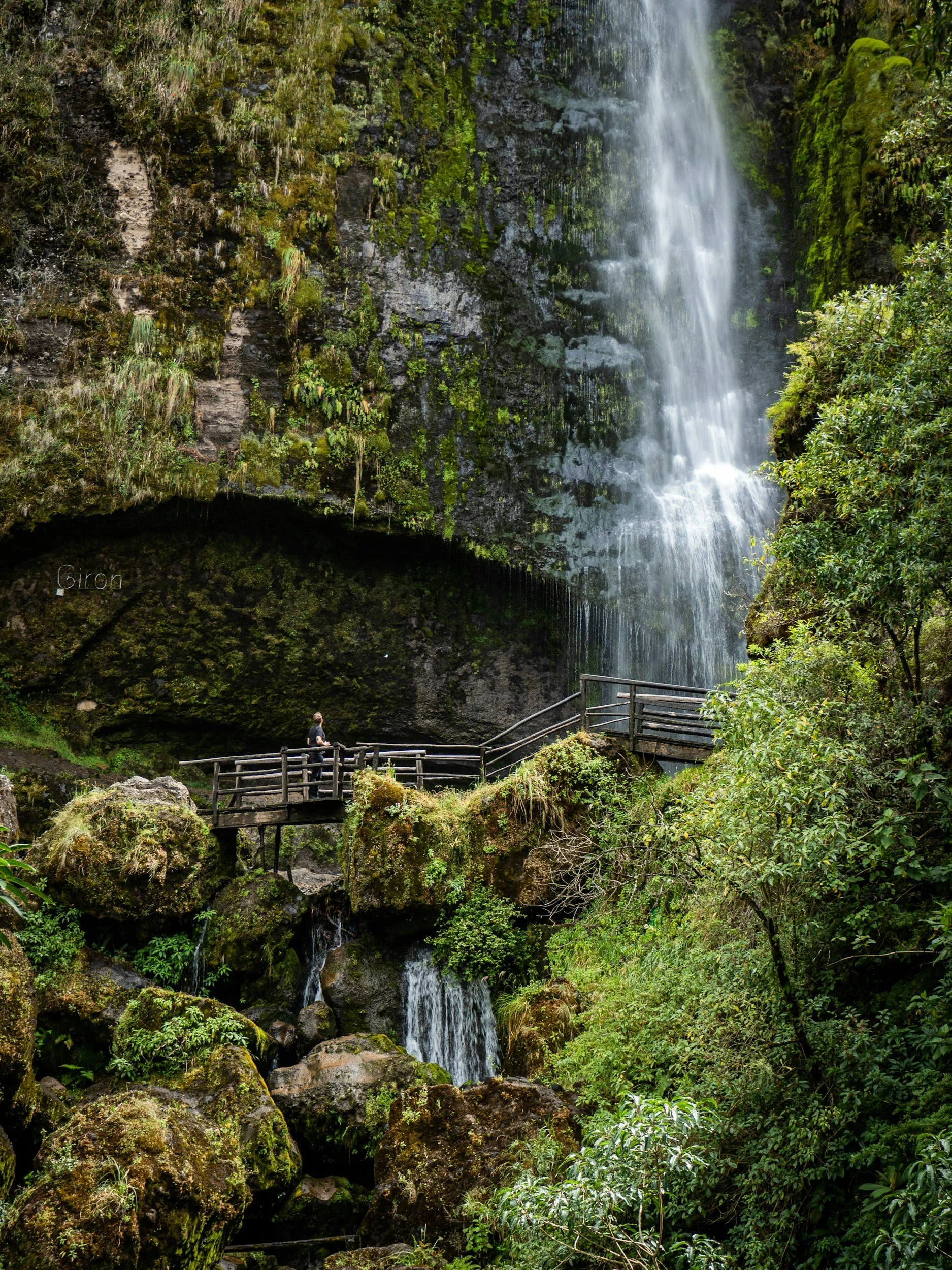
This journey moves between high altitude cities, sacred waterfalls, private forest lodges, and volcanic landscapes. While this is not a backpacking trip, thoughtful packing will make your experience more comfortable and easeful.
The good news: you’ll have access to your luggage throughout the journey, and we handle all ground transfers. You’ll only need to carry a small daypack during excursions.
Focus on layers, comfort, and versatility. Mountain weather shifts throughout the day, and temperatures vary with elevation.
The Essentials at a Glance
You’ll want:
Comfortable walking shoes or light hikers that are well broken in
Lightweight long pants and breathable tops
A small daypack for daily excursions
A warm, packable jacket for cool evenings
A lightweight waterproof rain jacket
Sun protection including hat, sunglasses, and sunscreen
A reusable water bottle
A journal and pen for reflection
Layering Is Key
Expect cool mornings, mild sunny afternoons, and chilly evenings at higher elevations like Cotopaxi. Layering is far more important than bringing heavy clothing.
We recommend lightweight, breathable fabrics for daytime and a warm insulating layer for evenings. Cotton is fine for downtime and sleeping, but quick drying materials are helpful for active days and unexpected rain.
Ceremony Comfort
For the plant medicine ceremony day, comfort matters. Choose clothing that feels grounding and non restrictive. Soft layers, cozy socks, and something warm for after the experience are ideal.
Many participants also like to bring:
An eye mask
A small comfort object
A shawl or blanket scarf
Footwear
This trip involves walking through cobblestone streets and light hiking. Sturdy, comfortable shoes with good traction are important. There is no need for heavy mountaineering boots.
Luggage
A soft sided suitcase, duffel, or backpack works best. While you will not be carrying your bag long distances, softer luggage is easier to transport between lodges and haciendas.
Less Is More
You do not need fancy outfits or excessive gear. This is a reflective, nature based journey. Practical, comfortable clothing will serve you far better than volume.
A detailed item by item packing list is provided below to help you dial everything in with confidence.
Preparing For Your Inner Journey
How intense is this really going to be?
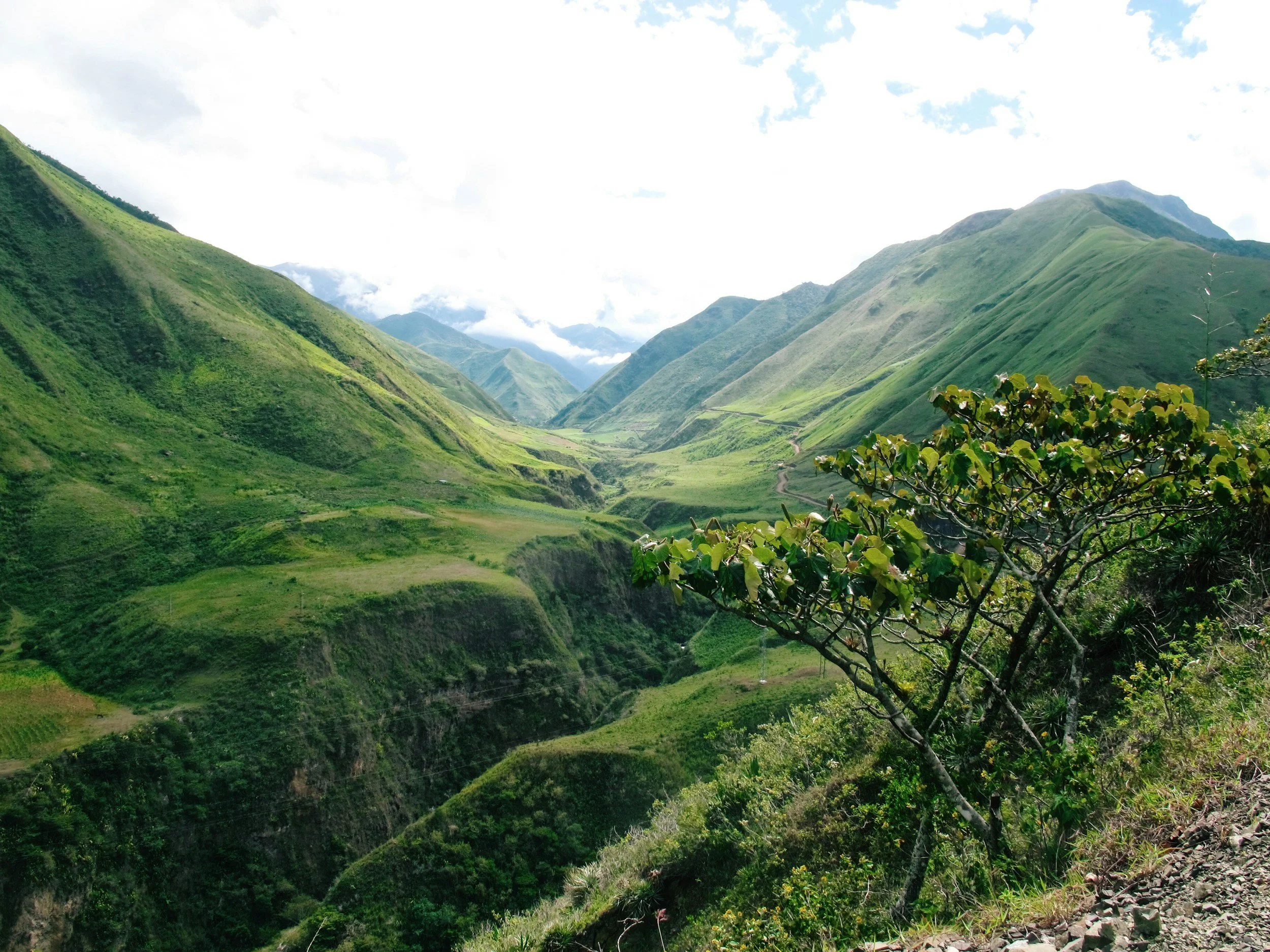
This experience is not physically demanding — but it can be emotionally and psychologically powerful.
Plant medicine experiences vary widely from person to person. Some people encounter deep clarity and beauty. Others move through challenging emotions before reaching insight. Most experience some combination of both.
We would classify this as emotionally moderate to potentially deep, best suited for people who are:
-Curious about self inquiry
-Willing to sit with discomfort if it arises
-Open to surrendering control
-Committed to preparation and integration
This is not about peak intensity. It is about willingness.
SET AND SETTING MATTER
Two factors significantly influence the quality of a journey:
Set refers to your mindset.
Your expectations, emotional state, and intentions matter.
Setting refers to the environment.
You will be held in a private, supportive space in the Andes with experienced facilitators, clear structure, and integration support.
We handle the setting.
You prepare the set.
SUGGESTED PREPARATION
Ideally beginning 4 to 8 weeks before departure:
-Establish a simple daily mindfulness practice, even 5 to 10 minutes
-Journal about intentions and areas of life you feel called to explore
-Reduce alcohol and recreational substances
-Begin gently cleaning up your diet
-Spend more time in nature if possible
-Practice letting go of control in small ways
You do not need to overhaul your life.
You do want to arrive clear headed and grounded.
EMOTIONAL READINESS
Ask yourself:
-Am I willing to see what arises without trying to control it?
-Am I open to insight that may surprise me?
-Can I trust myself and the container being held?
If the answer feels like a quiet yes rather than a frantic one, that is often a good sign.
PHYSICAL CONSIDERATIONS
You will complete a health intake and screening process prior to booking. Certain medications and mental health conditions may not be compatible with the medicine.
Hydration, rest, and sleep in the weeks leading up to the journey matter more than extreme training or detoxing.
WHAT YOU DO NOT NEED
You do not need prior psychedelic experience.
You do not need to “be spiritual.”
You do not need to chase intensity.
You need curiosity, humility, and willingness.
WE WILL SUPPORT YOU
A few months before departure, you’ll begin receiving:
Preparation guidelines
Mindset prompts
Integration framework overview
You are not walking into this alone. The ceremony is one part of a larger arc that includes grounding practices before and structured integration afterward.
Do As The Locals Do
A crash course in local culture
CULTURE, CUSTOMS & PRACTICALS
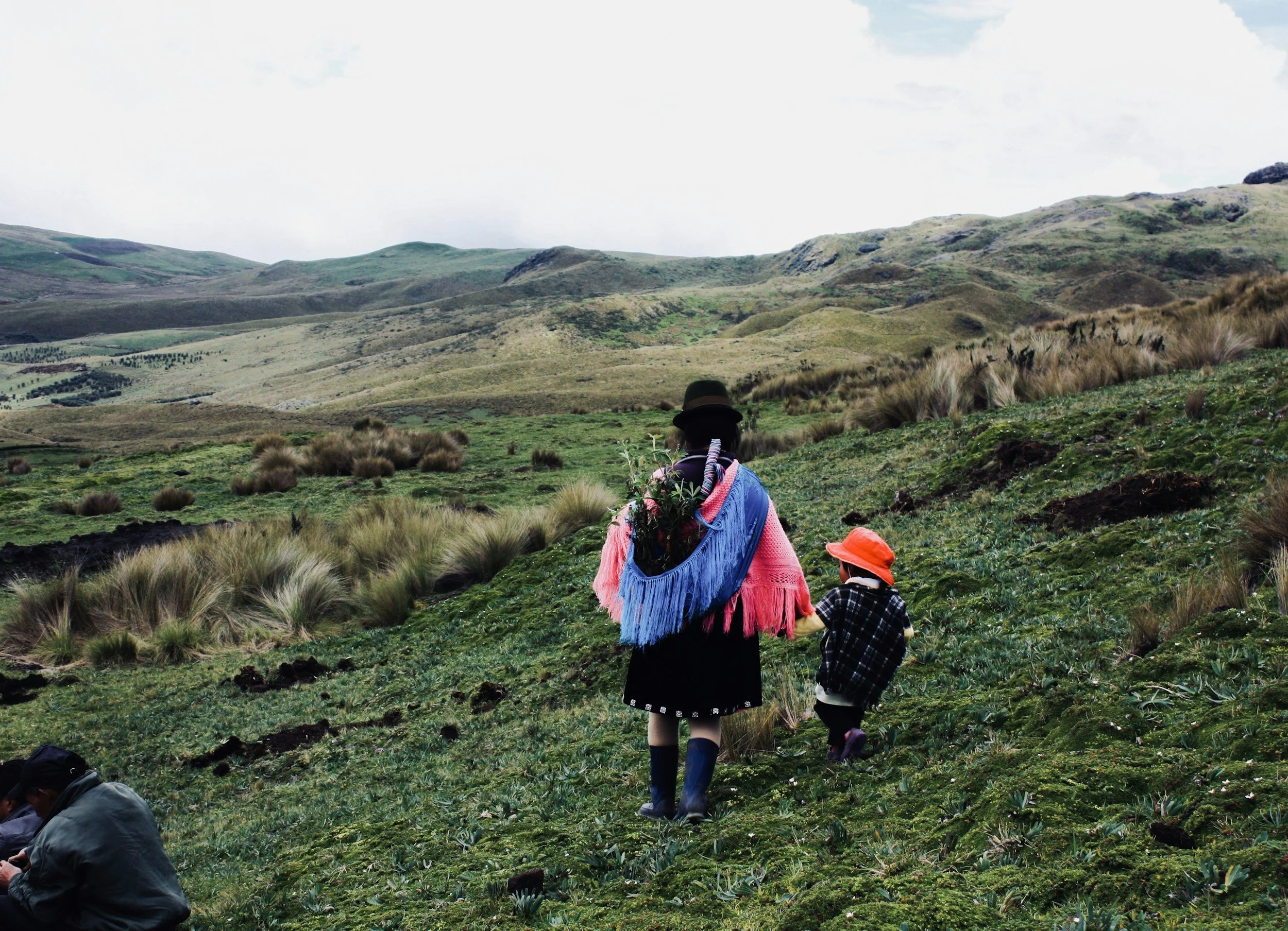
At Root, we believe that how we travel matters. When we enter another country, we do so with humility, curiosity, and respect. We are guests. We are learners. And whether we intend to be or not, we are ambassadors of the United States when we travel abroad.
A little preparation goes a long way.
LANGUAGE
Primary language: Spanish
In many Andean communities, you may also hear Quechua spoken.
English is spoken in some hotels and by many of our guides, but less so in rural communities. Your effort in Spanish, even a few simple phrases, will always be appreciated.
A few useful phrases:
Hola – Hello
Buenos días – Good morning
Buenas tardes – Good afternoon
Buenas noches – Good evening
Por favor – Please
Gracias – Thank you
¿Cuánto cuesta? – How much does it cost?
La cuenta, por favor – The bill, please
CURRENCY & MONEY
Currency: United States Dollar
Ecuador uses the U.S. dollar, which makes things simple for many travelers. ATMs are common in Quito and larger towns but less accessible in rural areas, so it is helpful to carry small bills such as $10s and $20s.
Many restaurants and shops accept cards, but artisan markets and smaller cafés may be cash only.
Tipping: As a reminder, we handle most group tips. The only tips you are responsible for are those we cannot be present for, such as leaving something for hotel staff in your room or arranging personal transfers.
MEALTIMES & RHYTHM
Ecuador runs at a slightly different pace than many travelers are used to.
Breakfast is typically early and simple.
Lunch is often the largest meal of the day and served between 12 and 2 pm.
Dinner tends to be lighter and earlier than in Spain, usually between 6 and 8 pm.
In rural areas and haciendas, meals are often prepared with local ingredients and served family style. Expect fresh soups, grains, vegetables, meats, and tropical fruits.
Life in the Andes moves more slowly. Lean into that rhythm.
WATER & FOOD SAFETY
We recommend drinking bottled or filtered water throughout the trip. Hotels and lodges will provide safe drinking water, and we encourage you to refill your reusable bottle regularly.
Food standards at our partner lodges and restaurants are high. If you have dietary restrictions, we can accommodate most needs with advance notice.
ELECTRICITY & ADAPTERS
Voltage: 120 V / 60 Hz
Plug types: Type A & Type B
These are the same as in the United States, so most North American travelers will not need an adapter.
ETIQUETTE IN ANDEAN COMMUNITIES
Greet people when entering shops or small spaces. A simple “Buenos días” goes a long way.
Ask permission before photographing individuals, especially in indigenous communities or during ceremonies.
Dress respectfully when visiting churches or participating in spiritual gatherings.
During ceremony spaces, silence, presence, and reverence are expected.
Remember that many of the places we visit are living communities, not tourist attractions. Move with humility and awareness.
PHOTOGRAPHY
Always be considerate of anyone’s desire not to be photographed. If you take photos of people, ask for permission first. The exception is when photographing a wide public scene where no one person is the focus.
Photography during ceremony will be limited and guided by facilitators.
SAFETY
Ecuador is generally safe for travelers, particularly in the regions we visit in the Andes. We work with trusted local partners, experienced drivers, and carefully vetted accommodations.
As with any international travel, basic awareness is important, especially in busier city areas. Keep valuables secure and follow guide instructions when moving as a group.
Our itinerary focuses on rural haciendas, small communities, and natural landscapes rather than high risk urban zones.
This journey is also designed with emotional and psychological safety in mind. The psilocybin experience is held in a private, supported setting with preparation, screening, and integration woven throughout.
Ecuador is not just a destination. It is a place shaped by strong community ties, hospitality, and deep connection to land. When you move through it with intention and respect, safety becomes part of the experience rather than something to fear.
If you ever have questions or concerns before or during the trip, we are here for you.
Accomodations
Where am i sleeping?
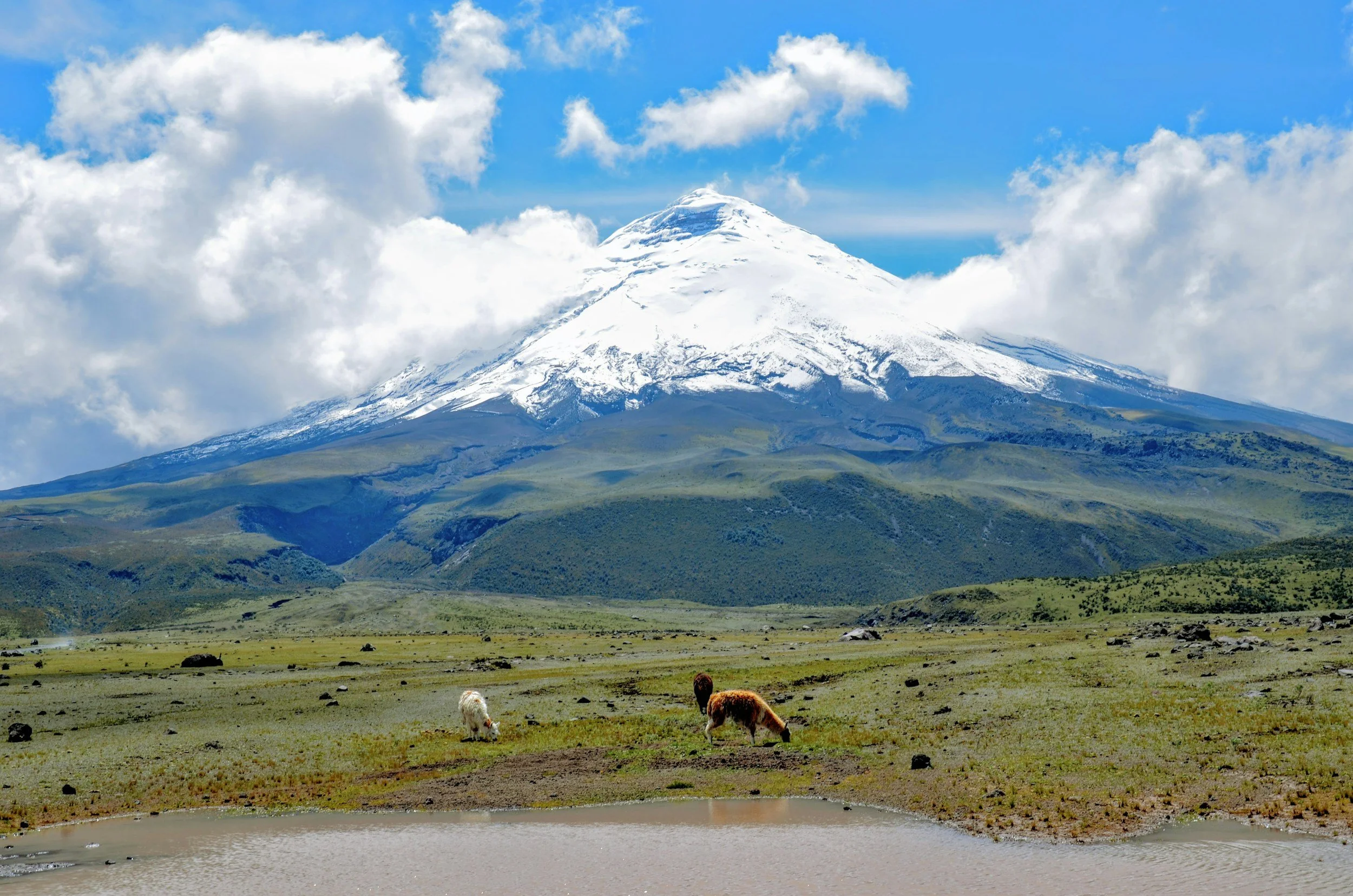
On this journey, you’ll stay in a thoughtfully curated mix of:
A boutique hotel in the historic center of Quito
A private forest lodge nestled in the Andean highlands
A traditional hacienda in the shadow of the volcanoes
Each property is selected for comfort, atmosphere, and connection to place. These are not chain hotels. They are character-filled spaces that reflect the land, culture, and rhythm of the Andes.
Expect:
Clean, comfortable rooms, typically double occupancy unless otherwise arranged
Private bathrooms with hot showers
Fireplaces and cozy gathering spaces in cooler regions
Gardens, mountain views, and quiet places for reflection
Warm local hospitality and a strong sense of place
The forest lodge and hacienda portions of the trip offer spacious grounds, open skies, and room to exhale. These settings are intentionally chosen to support rest, ceremony, and integration.
Comfort is important. So is authenticity. You’ll experience both.
Mindfulness
What if I’ve never meditated?
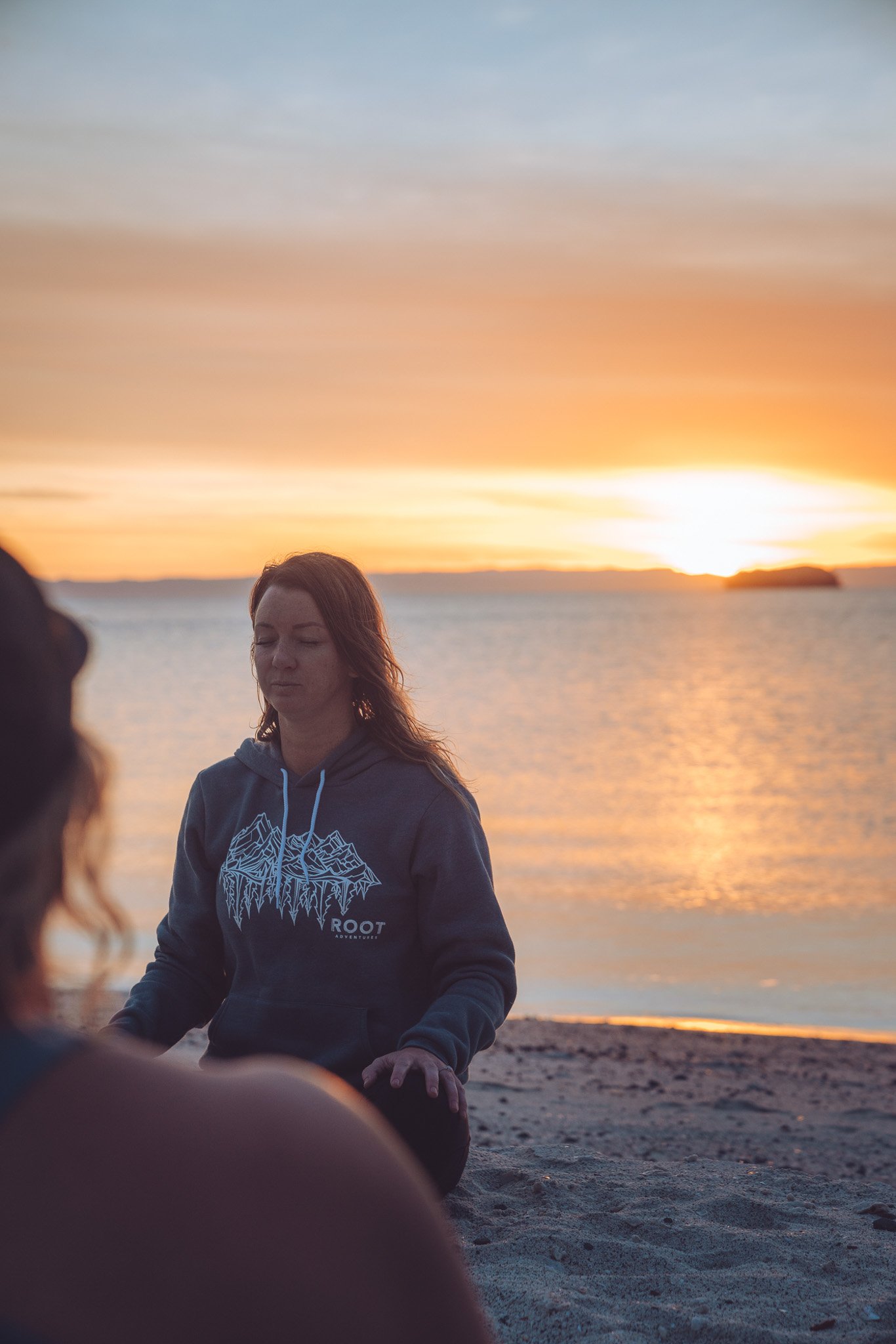
Have no fear! No prior meditation or mindfulness experience needed.
Nature is the ultimate teacher. Just getting out into the great outdoors has been proven to be incredibly beneficial for your mental and physical health.
Your Root Tour Leader will provide you with simple and practical ways to keep your connection with nature, yourself, and your fellow travelers at the forefront of your experience.
But don’t worry, this won’t be a serious or quiet trip. At Root we see mindfulness as a way to participate in the ALIVENESS of life.
There will be moments you’ll be encouraged to observe silence, listen to nature, reflect on your internal experience or even possibly journal and share. And there will be many moments of raucous laughter, joyous storytelling, and playfulness. Our trips have a bit of everything!
Final Tips
Anything else I need to know?
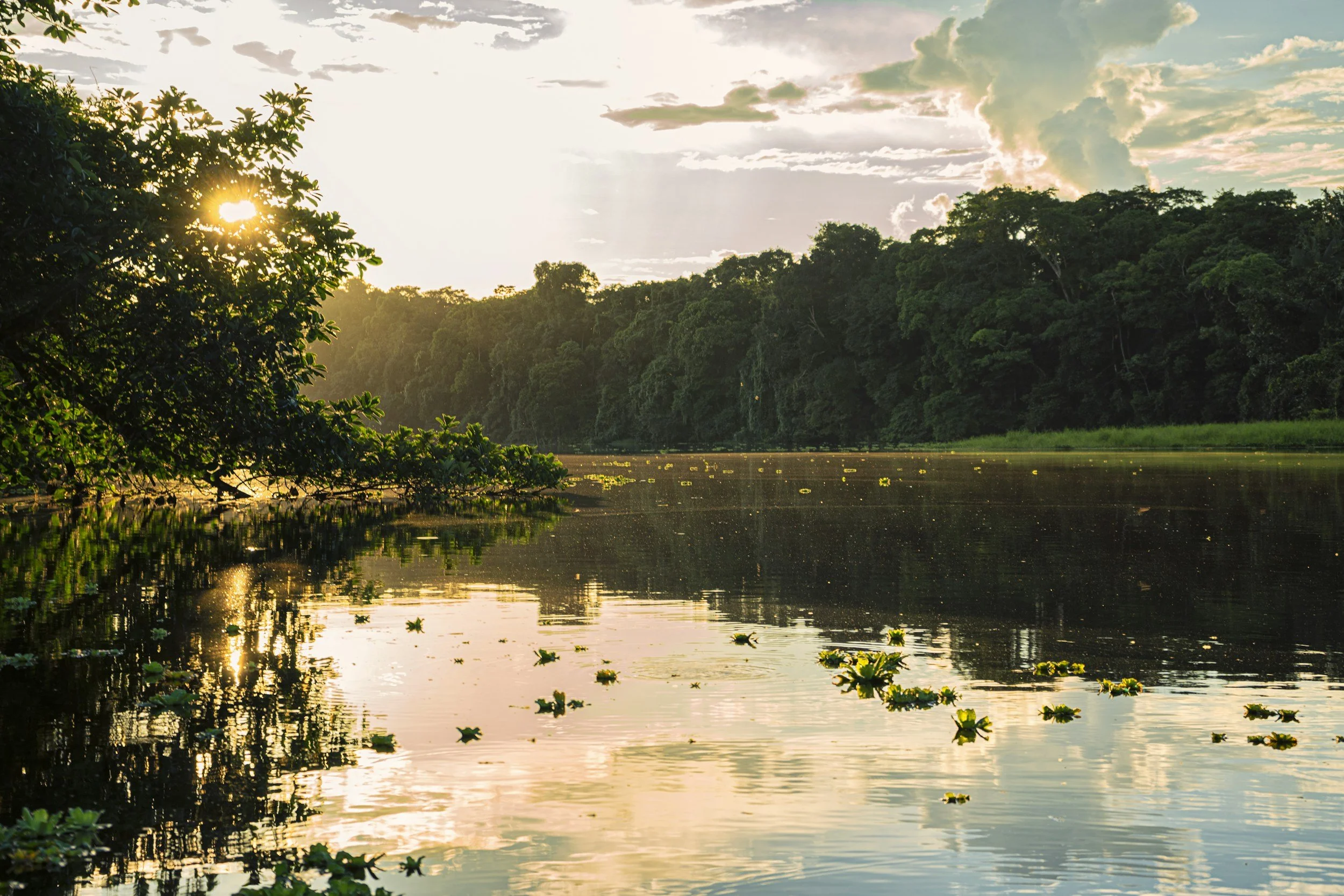
A few parting pieces of wisdom to help you arrive steady and prepared:
Pack layers, not bulk. Mountain weather changes quickly, and versatility matters more than volume.
Hydrate more than you think you need to, especially at altitude. Start this habit before you travel.
Give yourself a gentle landing for jet lag. Arriving rested makes a real difference for both altitude adjustment and emotional presence.
Reduce alcohol and stimulants in the weeks leading up to the retreat. A clear nervous system supports a clearer experience.
Begin slowing down now. Even five minutes a day of quiet reflection helps your body recognize what’s coming.
Come with curiosity rather than expectation. The Andes do not respond well to force.
Make sure your return home has space. Avoid scheduling major commitments immediately after the trip so you can integrate gently.
And remember: no one gets a gold star for pushing through. If you need support, rest, or adjustment at any point, speak up. This journey is held with care, and that includes you.